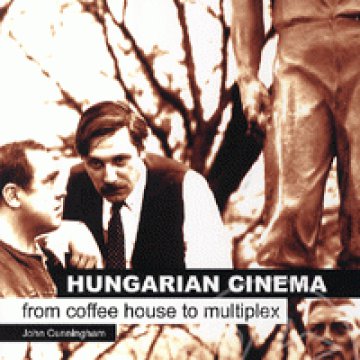
Hungarian cinema from coffee... ár és hasonló termékek
 LÍRA KÖNYV ZRT. Így szerettek ők - Magyar irodalmi szerelmeskönyv
3 999 Ft
Media Markt
A bolthoz Info
LÍRA KÖNYV ZRT. Így szerettek ők - Magyar irodalmi szerelmeskönyv
3 999 Ft
Media Markt
A bolthoz Info

 LÍRA KÖNYV ZRT. Titkos királyság Különkiadás 6. - A Cukor-öböl kalózai
1 199 Ft
Media Markt
A bolthoz Info
LÍRA KÖNYV ZRT. Titkos királyság Különkiadás 6. - A Cukor-öböl kalózai
1 199 Ft
Media Markt
A bolthoz Info



Hungarian cinema from coffee house to multiplex jellemzők
Hungarian cinema has often been forced to tread a precarious and difficult path. Through the failed 1919 Revolution to the defeat of the 1956 Uprising and its aftermath, Hungarian filmmakers and their audiences have had to contend with a multiplicity of problems. In the 1960s, however, Hungary entered a period of relative stability and increasing cultural relaxation, resulting in an astonishing growth of filmmaking. Innovative and groundbreaking directors such as Miklós Jancsó (Hungarian Rhapsody, The Red and the White), István Szabó (Mephisto, Sunshine) and Márta Mészaros (Little Vilma, The Last Diary) emerged and established the reputation of Hungarian films on a global scale. This is the first book to discuss all major aspects of the history of Hungarian cinema and its place in the development of Hungarian society. The book also focuses on filmmakers as diverse and significant as Zoltán Fábri (The Storm, Fourteen Lives Were Saved) and Béla Tarr (Satantango, Werckmeister Harmonies) and includes coverage of under-explored areas of Hungarian cinema, including avant-garde filmmaking, animation, and representations of the Gypsy and Jewish minorities.