Látogatásod során cookie-kat használunk, amelyek segítenek számunkra testreszabott tartalmat és hirdetéseket megjeleníteni, személyes információkat azonban nem tárolnak. Az oldal használatával elfogadod a cookie-k használatát. További információ itt »
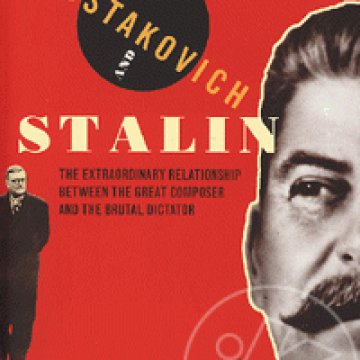
'Music illuminates a person and provides him with his last hope; even Stalin, a butcher, knew that...' So said the Russian composer Dmitri Shostakovich, who spent his life battling for the right to create his works under the Soviet Union's totalitarian regime. This proved dangerous under the autocratic Stalin, who perceived himself to be an erudite critic of modern culture. So when he stormed out of the performance of Shostakovich's opera 'Lady Macbeth of Mtsensk' in 1936, the composer feared he would be arrested and killed. Instead, the 'supreme leader' played a game of cat and mouse. He would attack Shostakovich in Pravda and ban his music from the airwaves. Then he would honour him with prestigious awards. Stalin's goal was to remain unpredictable, and thus afford Shostakovich no sense of personal security, although he continued to compose stirring symphonies that drew him millions of fans. This is a fascinating and important story told by one of the greatest authorities on Russian culture in the Soviet years.

Épp nincs olyan üzlet, vagy webáruház a globalplazán, ahol ez a termék kapható. Lent mutatjuk a nagyon hasonló termékeket, nézd meg:
'Music illuminates a person and provides him with his last hope; even Stalin, a butcher, knew that...' So said the Russian composer Dmitri Shostakovich, who spent his life battling for the right to create his works under the Soviet Union's totalitarian regime. This proved dangerous under the autocratic Stalin, who perceived himself to be an erudite critic of modern culture. So when he stormed out of the performance of Shostakovich's opera 'Lady Macbeth of Mtsensk' in 1936, the composer feared he would be arrested and killed. Instead, the 'supreme leader' played a game of cat and mouse. He would attack Shostakovich in Pravda and ban his music from the airwaves. Then he would honour him with prestigious awards. Stalin's goal was to remain unpredictable, and thus afford Shostakovich no sense of personal security, although he continued to compose stirring symphonies that drew him millions of fans. This is a fascinating and important story told by one of the greatest authorities on Russian culture in the Soviet years.