Wright-Sized Houses ár és hasonló termékek

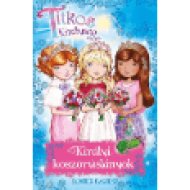 LÍRA KÖNYV ZRT. Királyi koszorúslányok - Titkos Királyság Különkiadás
1 199 Ft
Media Markt
A bolthoz Info
LÍRA KÖNYV ZRT. Királyi koszorúslányok - Titkos Királyság Különkiadás
1 199 Ft
Media Markt
A bolthoz Info









Wright-Sized Houses jellemzők
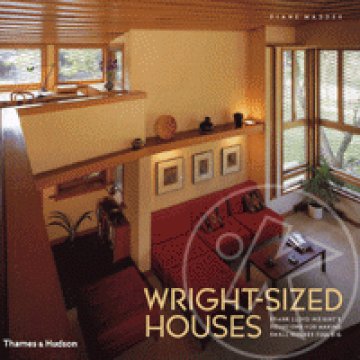
Frank Lloyd Wright made it his life's work to design the small house of character. He began promoting his ideas more than a century ago, as a young architect in the 1890s beginning in the Chicago area. He railed against unused parlours and basements, and suggested dining-rooms just big enough for the family - or better yet, a combined living-dining area. He built in furniture along the walls to free up the centre area. He used open plans in which spaces flowed around corners, shielding views while adding mystery. He dramatized high ceilings with eye-fooling details. He turned solid walls into window walls, breaking down barriers between outside and in. He designed space-saving kitchens lit by skylights. He divided houses into 'quiet' and 'living' zones and embraced views of nature to add an outdoor 'room'. He did away with bulky garages in favour of simple carports that housed the car as economically as the residents. He experimented with prefabricated and build-it-yourself designs to help would-be homeowners stay within a budget.
As with many modern architectural ideas that we now take for granted, Wright was there first. Wright-Sized Houses is the first book to look specifically at the small houses this world-renowned architect designed from the beginning to the end of his seventy-year career. It presents a wealth of ideas for how to build or renovate a house to make it feel for more spacious than would seem possible. For readers looking for tips on making a small house feel big, as well as for fans of Wright's work of all kinds, Wright-Sized Houses offers a refreshing new window into why, even in the twenty-first century, he remains the last word in architects.
With 178 illustration, 155 in colour and 10 plans.
As with many modern architectural ideas that we now take for granted, Wright was there first. Wright-Sized Houses is the first book to look specifically at the small houses this world-renowned architect designed from the beginning to the end of his seventy-year career. It presents a wealth of ideas for how to build or renovate a house to make it feel for more spacious than would seem possible. For readers looking for tips on making a small house feel big, as well as for fans of Wright's work of all kinds, Wright-Sized Houses offers a refreshing new window into why, even in the twenty-first century, he remains the last word in architects.
With 178 illustration, 155 in colour and 10 plans.